Rocky Mountain Towing & Recovery Service - CARGO SOLUTIONS
Load Shift & Cargo Handling Solutions
Expert Load Shift & Cargo Handling Solutions
A shifted load, rollover, or damaged trailer can leave you with two problems: recovering the equipment and deciding what to do with the freight.
When a rollover, load shift or damaged trailer puts freight at risk, Cargo Solutions, a service of the Rocky Mountain Towing & Recovery division, coordinates cargo handling with the heavy recovery response in the Denver and Brighton area.
Call our 24/7 dispatch team with your location and load details. We’ll assess the request and confirm the equipment, personnel, and handling requirements before work begins.
The trailer can be recovered. What happens to the cargo?
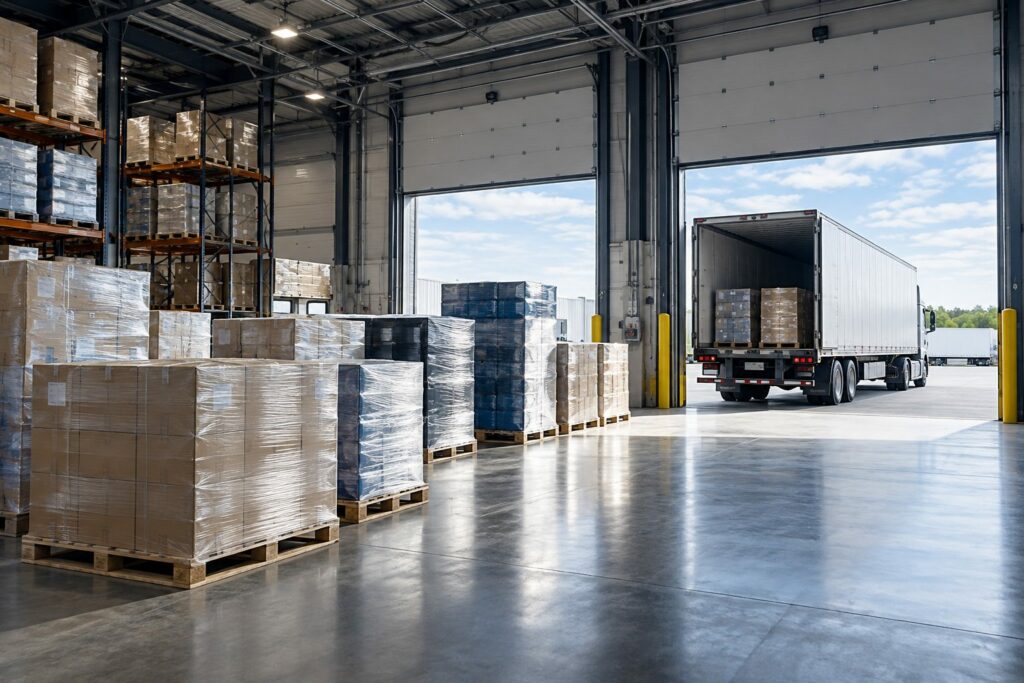
A load may need to be stabilized before a tow, transferred out of a damaged trailer or documented before it leaves the scene. We look at the full incident so the recovery plan accounts for the freight as well as the equipment.
Tell dispatch about the commodity, approximate weight, trailer condition, and any spill, damage, or access issue. We scope a specialized handling plan to the incident and confirm resources and availability before work begins.
Cargo Services in Denver & Brighton
Rocky Mountain Towing & Recovery’s cargo solutions help fleets, owner-operators, freight brokers, and authorized incident contacts arrange load correction, freight transfers, and cargo recovery alongside the truck’s recovery or towing needs.
Trailer condition is only part of the assessment. Freight may need to be stabilized before movement, unloaded to provide access, or transferred because the original trailer cannot continue. Our team considers the cargo and equipment together when planning the response.
Each job depends on the commodity, weight, access, and load condition. Dispatch confirms the proposed scope and available resources with the party authorizing the work.
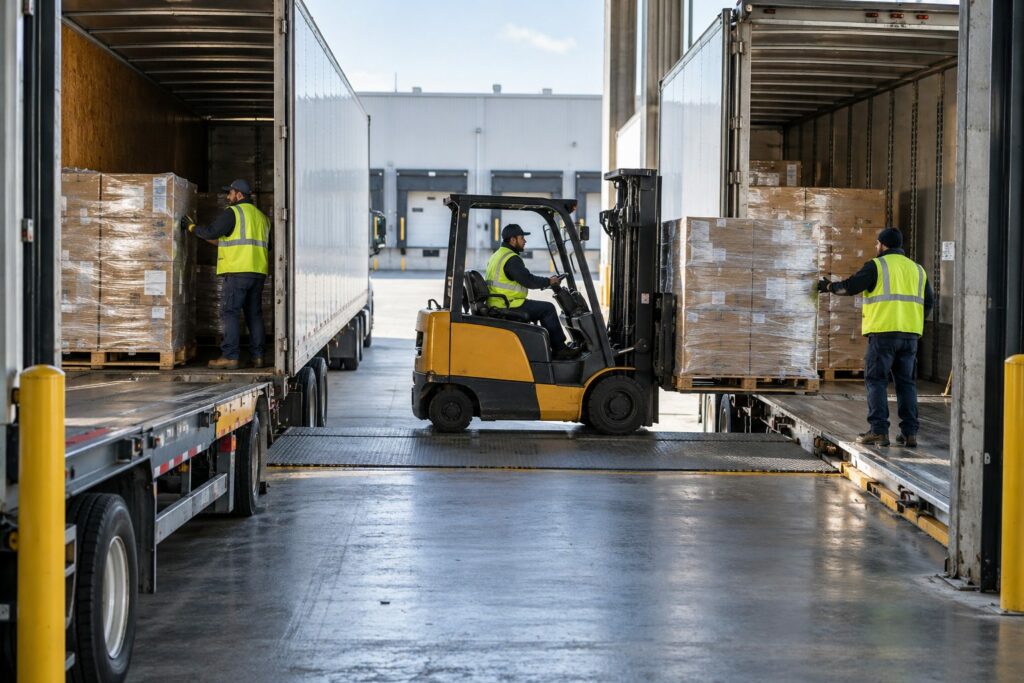
Cargo Work That Goes With Recovery: Shifts, Swaps & Transfers
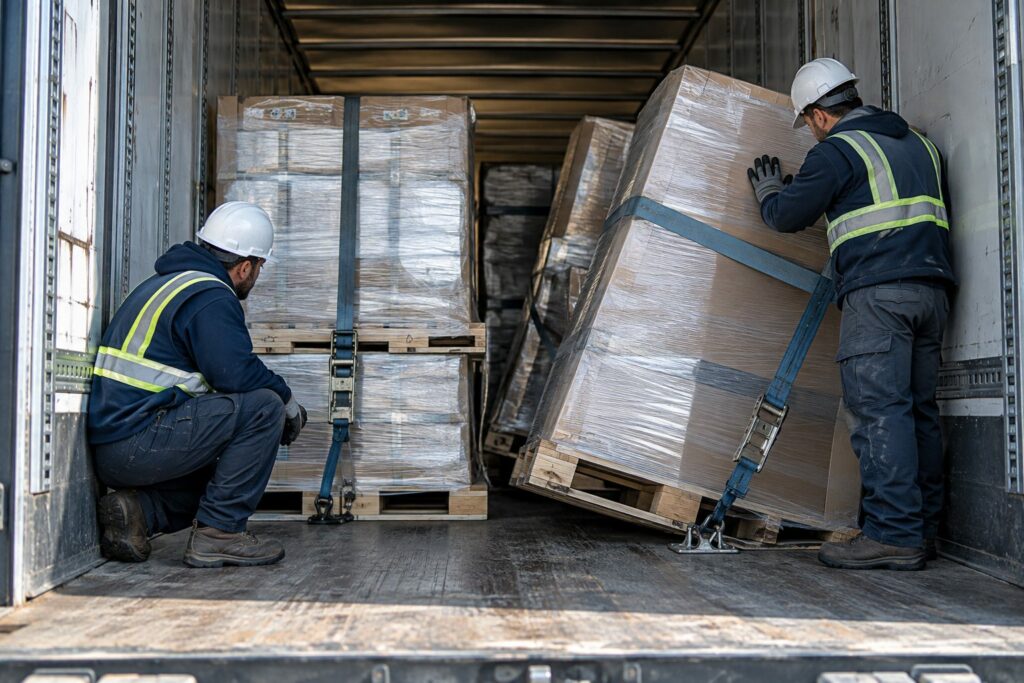
A hard stop, damaged pallet, or unsecured shipment can leave freight leaning, collapsed, or unevenly distributed. Our operators assess the shifted load and determine what handling is needed before the truck can move or continue its trip.
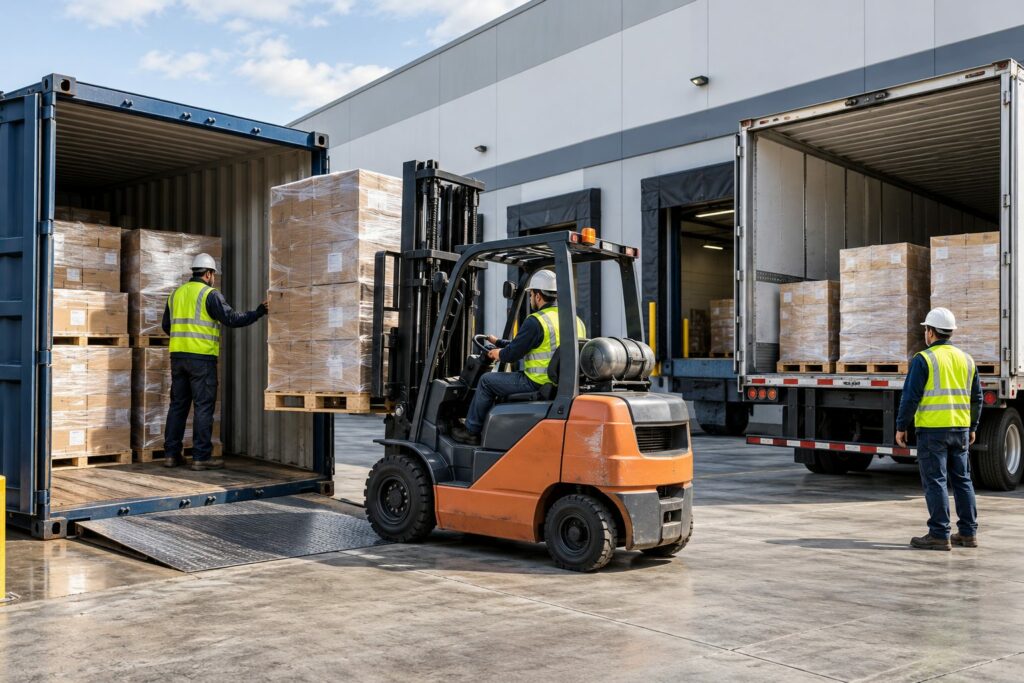
Load correction may involve repositioning freight, restacking accessible cargo, or securing the load with appropriate handling equipment and materials. If the original trailer is damaged or cannot continue safely, we can coordinate a transfer into a replacement trailer.
Cargo Solutions
Load Shift Correction
Assess displaced freight, reposition, and stabilize load to address handling and weight-distribution concerns.
Load Swaps & Transfers
Coordinate unloading and reloading if freight must move to another trailer due to damage, equipment failure, or an interrupted trip.
Cargo Handling Coordination
Work with the carrier, broker, or other authorized contact to establish the handling plan, required resources, and next destination.
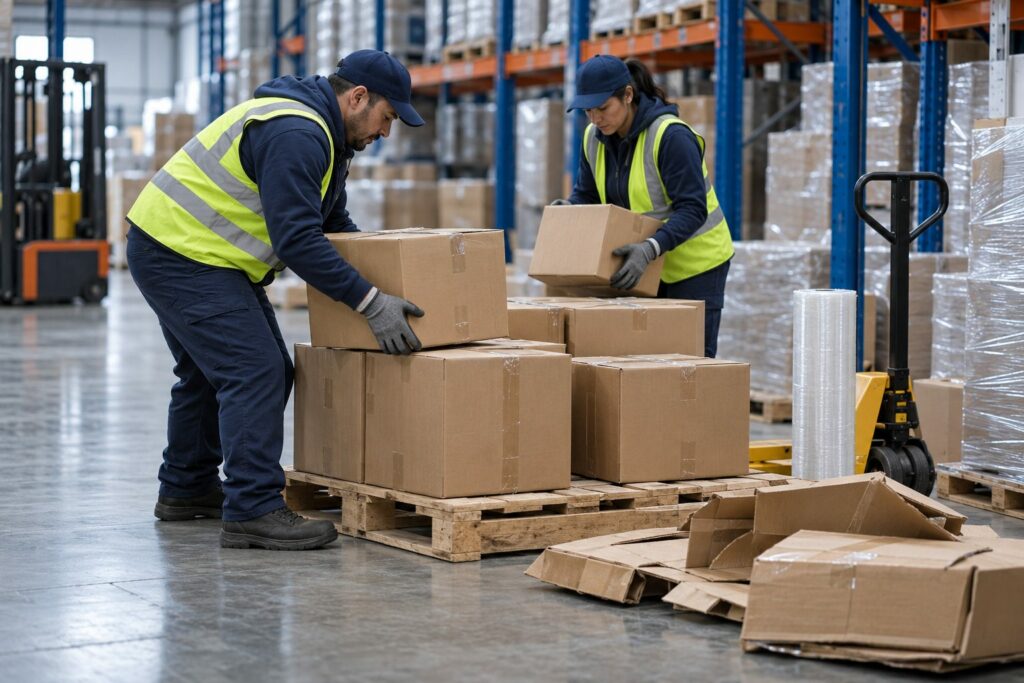
Emergency Cargo Recovery
Overturned trucks and damaged trailers may leave freight exposed, scattered, or difficult to reach. We coordinate cargo recovery with the heavy recovery response so the plan accounts for load access and equipment condition.
Depending on the incident and approved scope, cargo work may include:
- Recovery of accessible freight.
- On-site sorting, stacking and reloading.
- Freight inventory and condition documentation support.
- Coordination with carriers, brokers and insurance adjusters.
- Arrangement of appropriate cleanup or disposal resources when needed.
Tell dispatch about any leaking product, damaged packaging, or hazardous material before work begins. Specialized commodities, spill conditions, and handling restrictions require an individual assessment to determine the appropriate response.
Heavy Equipment & Machinery Recovery
Cargo incidents can also involve machinery or oversized equipment. A machine may shift on a flatbed, fall during transport, or need to be removed from a damaged trailer before recovery can proceed.
Rocky Mountain Towing & Recovery provides heavy equipment recovery and transport support for construction machinery and industrial loads. We assess the equipment’s weight, condition, and position, along with ground conditions and available access, to determine the lifting and recovery requirements.
If the equipment needs to leave the scene, we can coordinate recovery and transport as part of the approved plan.

How Our Cargo Response Works
1. Tell Dispatch What Happened
Provide the exact location and explain the situation. Let us know about police involvement, blocked access, and immediate hazards.
2. Share the Equipment & Load Details
Describe the tractor and trailer, commodity, approximate weight, and condition of the freight. Include temperature requirements, leaking product, and any handling restrictions.
3. Confirm the Authorized Contact
Identify the carrier, fleet, broker, insurer, or other party who can approve the work. Our team confirms the proposed scope, available resources, and authorization before proceeding.
4. Coordinate Recovery & the Next Move
The assigned team performs the approved work. Rocky Mountain Towing & Recovery coordinates updates with the authorized contact as the cargo is stabilized, recovered, or transferred and the equipment’s next move is arranged.
Help With Your Truck, Trailer & Load in One Response
A cargo problem may also require semi-truck towing, tractor-trailer recovery, or removal of damaged equipment. Coordinating those tasks helps the responding team establish what must happen first and what resources are needed at the scene.
Our heavy towing and recovery team considers the truck, trailer, and freight as one unit. Tell dispatch about the full incident so the response can account for cargo access, equipment recovery, and any transfer requirements.