Van-tastic Towing for Hardworking Rigs
At Rocky Mountain Towing, we spend a lot of time working with business owners who rely on their vehicles every single day. When one of those vehicles goes down, the clock starts ticking. Our Denver van towing service moves vans and box trucks that fall into the medium duty category.
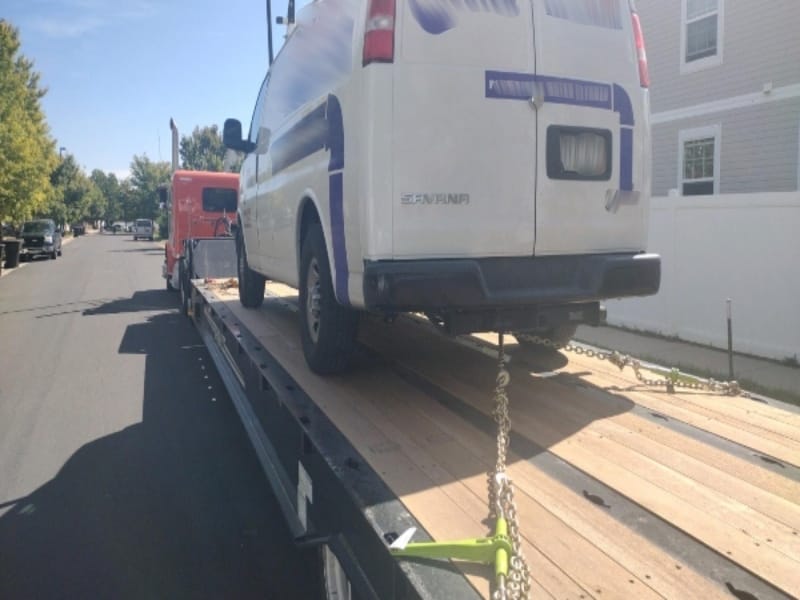
Medium duty towing covers vehicles that are too large for a light duty tow truck but do not require the massive equipment used for semis. We are talking about high-roof cargo vans, delivery trucks, small box trucks, and utility vehicles that carry tools, equipment, or inventory. These vehicles weigh more, sit higher off the ground, and often have longer wheelbases, which changes how we approach every tow.
Vehicles That Fall Into the Medium Duty Category
- Work vans with ladder racks and shelving systems
- Box trucks used for local deliveries
- Service vans loaded with plumbing or HVAC equipment
- Small fleet vehicles used by contractors
- Utility trucks with built-in storage compartments
Each one presents its own considerations. The weight distribution, cargo setup, and overall height all affect how we prepare for the job. We always assess these factors before we hook up.
The Towing Equipment for Vans and Box Trucks
Work vans and box trucks are taller and heavier than standard passenger vehicles. They require a truck with the right lifting capacity and solid wheel support. Depending on the situation, we use medium duty wreckers, flatbeds, or heavy-duty trailers to move them properly. Each option allows us to transport commercial weight without putting unnecessary stress on the vehicle’s frame or suspension.
Ground clearance also plays a role. Many box trucks have extended rear overhangs. If we rush the loading angle, we risk scraping the undercarriage. That is why we carefully control the winch speed and ramp angle. Slow, steady adjustments keep everything aligned and protected.
How We Tow Work Vans and Box Trucks in Denver
When we arrive on scene, our first step is a full walkaround inspection. We check tire condition, look for suspension damage, and note how the vehicle is loaded. A van filled with tools will handle differently than an empty one.
We then position our truck to create the most stable loading path possible. Positioning matters just as much as lifting power. Denver streets can slope or narrow quickly, so we plan before we move.
Step by Step: Our Medium Duty Towing Process
- Inspect the vehicle and confirm weight class
- Secure loose cargo if needed
- Align the wrecker and adjust the boom
- Attach wheel lift or underlift components
- Lift gradually and monitor balance
- Double check all connection points before transport
We stay hands on throughout the entire process. If the vehicle leans or shifts, we stop and correct it. Attention during loading prevents issues later on the road.
Navigating Denver Roads With Commercial Vehicles
Transporting a work van through city traffic requires awareness. Tight downtown streets, elevation changes, and highway merges all demand steady control. Our drivers plan routes that reduce sharp turns and sudden stops.
During every Denver van towing job, we keep speed consistent and leave extra following distance. A loaded box truck carries momentum differently than a sedan. We account for that from start to finish.
No Van Left Behind: Rocky Mountain Towing and Denver Van Towing
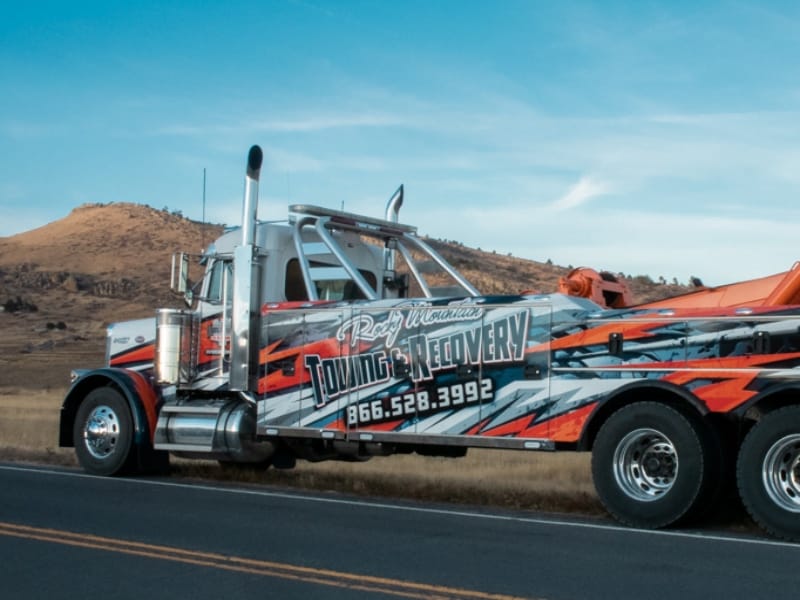
At Rocky Mountain Towing, we work with contractors, delivery services, and fleet managers across the area. Our team handles Denver van towing for vehicles that support real businesses and real deadlines. We know that a stalled box truck can interrupt an entire workday, so we respond quickly and approach each tow with care.
Our experience with Denver van towing allows us to handle high-roof vans, extended cargo models, and equipment-filled service trucks without guesswork. We focus on proper lift points, steady transport, and clear communication with the owner. When businesses call Rocky Mountain Towing for Denver van towing, they get a team that treats their commercial vehicle like a working asset that needs to get back on the road.
FAQ
What qualifies as a medium duty vehicle for towing?
A medium duty vehicle typically weighs between 10,000 and 26,000 pounds. This category often includes work vans, box trucks, utility trucks, and small commercial fleet vehicles. These vehicles are larger than standard cars and SUVs and require stronger lifting equipment and greater load control during transport.
Can a loaded work van be towed safely?
Yes, a loaded work van can be towed, but weight distribution must be evaluated first. Tools, shelving, and cargo affect balance and total weight. A proper inspection allows the towing operator to choose the correct equipment and secure the vehicle to prevent shifting during transport.
When is a flatbed better than a wheel lift for commercial vehicles?
A flatbed is often preferred if the vehicle has drivetrain damage, severe suspension issues, or very low ground clearance. It is also a good option for all wheel drive systems. A wheel lift or underlift may be used when the vehicle is stable and the lift points are accessible.
How long does it take to tow a box truck?
The total time depends on location, traffic conditions, and vehicle condition. Loading typically takes longer than a passenger vehicle because operators must inspect lift points and confirm weight balance. Transport time varies based on distance and route planning.
Does towing damage a commercial vehicle?
When done correctly, towing should not damage the vehicle. Operators inspect connection points, secure the wheels, and monitor alignment throughout the process. Using equipment rated for commercial weight helps protect the frame and suspension.
What should I do before my work truck is towed?
Remove personal items and secure loose cargo inside the vehicle. If possible, inform the towing operator about mechanical issues such as brake failure or steering problems. Providing accurate details helps ensure the vehicle is handled properly from pickup to drop off.