Heavy Wreckers on the Support Line
A heavy truck crash on a Denver freeway can shut down lanes fast. Police may be holding traffic, fire crews may be checking for fuel or fluids, and our recovery truck may be staged nearby waiting for clearance. On Denver accident recovery calls with law enforcement involved, the first few minutes are about coordination. We move when the scene lead says the road, responders, and investigation are ready.
Who Controls What on a Heavy Crash Scene
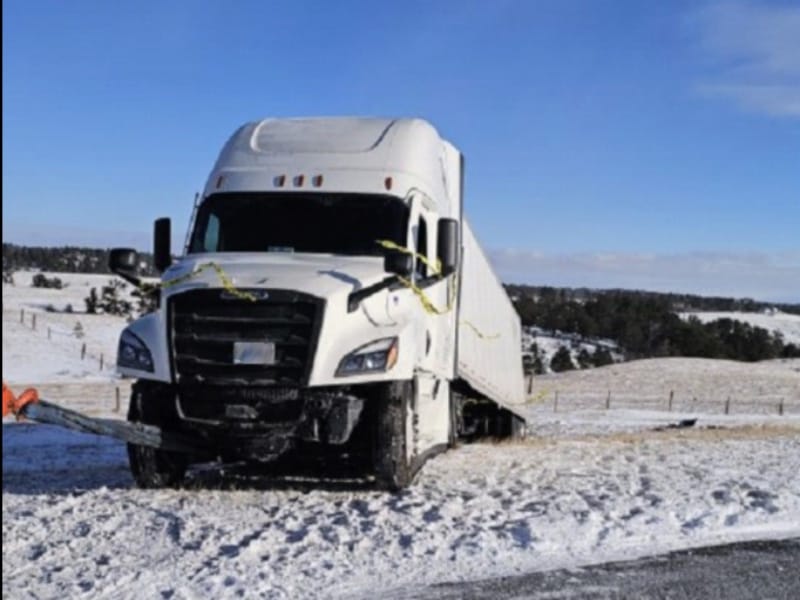
Colorado State Patrol or local police run the scene. They decide when lanes close, where traffic gets redirected, and when the wreckage can move. They also handle witness statements, crash reports, citations, and any investigation work that has to happen before we touch the truck. We do not roll in and start rigging just because our rotator showed up first.
Our role is different. We assess the recovery itself. How the truck is sitting. What is leaking. Whether the load shifted or came loose. If the frame is bent. Whether we need one truck or three. On Denver accident recovery calls with law enforcement present, we are not the authority. We are the technical side of getting a commercial vehicle off the road without making the scene worse or creating another hazard for passing drivers.
What Happens Before We Hook Up
Most people see the tail end of the job when the wrecker is already pulling away. They do not see the 40 minutes we spent waiting for troopers to finish measurements, photos, and paperwork. On heavy truck crashes, that wait time is normal. Officers may need to document skid marks, debris fields, cargo spills, or damage to guardrails and barriers before anything moves.
A ruptured fuel tank or hydraulic line can delay the whole recovery until containment is handled.
Clearing Debris and Securing Cargo
A crashed semi does not always stay in one piece. Cargo can shift, break loose, or scatter across multiple lanes. We have pulled wrecked trucks off I-76 near the 88th Avenue exit where pallets of freight were sitting in the median and the shoulder.
Troopers wanted the debris cleared before the truck moved so they could reopen at least one lane. We had to coordinate with our ground crew, the officer directing traffic, and the truck’s carrier to figure out what could be salvaged and what had to be treated as road debris.
Heavy Calls Need More Planning
A sedan tow might take one flatbed and 20 minutes. A rolled tanker or an overturned dump truck is a different story. We have worked scenes on I-270 near the airport where it took two rotators, a heavy wrecker, and a supervisor coordinating lifts with state patrol before we even started the first pull. Officers had three lanes shut down. Fire was managing a small fuel leak. Our crew was rigging chains and setting stabilizers while troopers kept rubberneckers from stopping in live traffic.
Coordination Keeps the Road Moving
The best Denver accident recovery calls happen when dispatch, law enforcement, fire, and our crew are all on the same page from the start. That means clear communication about lane closures, estimated time to clear, where the truck is going, and what equipment we need. A trooper who knows we are bringing a rotator can plan traffic control differently than if we showed up with a standard wrecker that cannot handle the load.
Our Denver accident recovery team also works with CDOT on some calls when barriers, signs, or road damage are involved. A truck that took out a guardrail on I-25 near the University Boulevard exit cannot just get pulled off and forgotten. CDOT has to assess the damage and decide if the lane stays closed for repairs. We coordinate our recovery timeline around that so we are not sitting in a live lane longer than necessary.
Rocky Mountain Towing & Recovery Supports Denver Accident Recovery When First Responders Call
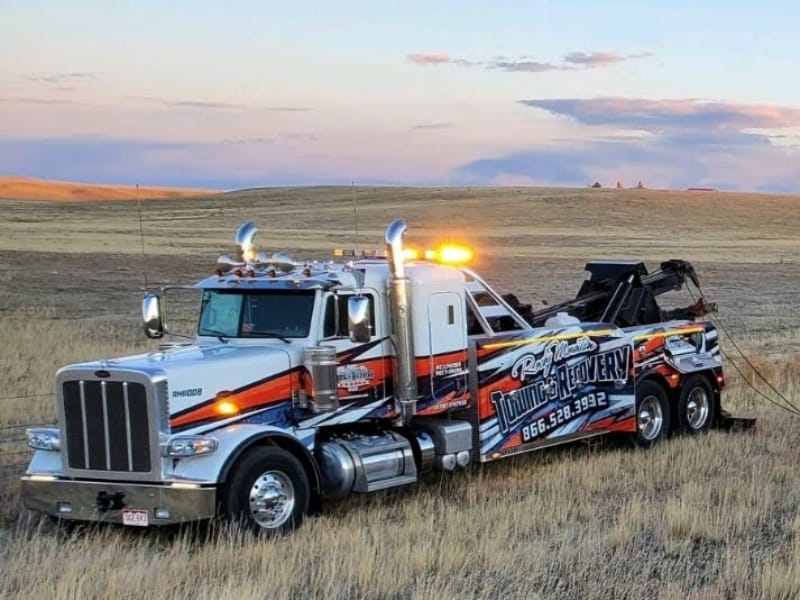
Rocky Mountain Towing & Recovery focuses on heavy-duty work: semi trucks, construction equipment, oversized loads, and commercial vehicles. Our Denver accident recovery team brings the trucks, rigging, and recovery experience needed to work beside state patrol, local police, fire crews, and municipal agencies without crowding the scene.
Our location near I-76 and Colorado Highway 44 gives us quick access to major freight routes and busy interchanges. For Denver accident recovery, dispatch gathers the scene details before we roll so we send the right equipment and support the officers managing traffic, reports, and lane clearance.
FAQs
Who decides when a heavy truck can be moved after a crash?
The officer or incident commander on scene usually makes that call. Tow crews wait until reports, photos, traffic control, and responder work are far enough along for recovery to begin.
Why do heavy wreckers sometimes stage nearby instead of starting right away?
A heavy wrecker may need to wait until police, fire, or road crews clear space for setup. Large recovery trucks need room for outriggers, boom movement, rigging, and ground crews.
What happens if cargo spills during a truck crash?
Cargo may need to be secured, transferred, cleaned up, or treated as road debris. The carrier, responders, and recovery crew usually coordinate what happens before the truck moves.
Can a tow crew help protect traffic at a crash scene?
Yes. Tow trucks may use warning lights, truck placement, cones, and quick vehicle movement to help protect the work area when directed. Law enforcement still controls the overall traffic plan.
Why does a fuel or hydraulic leak delay recovery?
Fluids can create fire, slip, and environmental hazards. Fire crews or cleanup teams may need to contain the leak before the recovery crew can safely position equipment.
Why do heavy truck recoveries take longer than car crashes?
Heavy trucks bring more weight, cargo issues, road damage, and equipment needs. A rolled or jackknifed truck may require rotators, heavy wreckers, traffic stops, and a planned lift before it can be moved.