The Maintenance Schedule Your Trucks Will Not Let You Skip
Diesel engines are built to run hard for a long time. But that durability comes with a set of maintenance requirements that gas engines do not share. Skipping or delaying the basics shortens engine life faster than most operators realize. As a Denver truck repair shop, we see the consequences of deferred maintenance regularly. The patterns are consistent enough to be worth laying out clearly.
The Fuel System Comes First
Diesel fuel is more sensitive to contamination than most operators give it credit for. Water intrusion. Microbial growth. Particulate buildup… All these issues can all degrade fuel quality and damage injectors before any symptoms show up at the throttle. Primary and secondary fuel filters need to be changed on schedule. An engine that starts running rough due to fuel contamination has usually been digesting dirty fuel through its injectors for thousands of miles before the symptoms appear.
Fuel injectors on modern diesel engines operate at extremely high pressures. They require clean, properly lubricated fuel to maintain their service life. Running low-quality fuel, missing filter changes, or repeatedly allowing the tank to run low draws sediment from the bottom into the fuel system. Injector replacement is expensive and often avoidable with consistent filter maintenance and attention to fuel source quality.
Cooling System and Oil Management
Diesel engines produce more heat than gasoline engines, and the cooling system carries more of the load as a result. Coolant degrades over time and loses its corrosion inhibitors, allowing scale and corrosion to form inside the block and radiator passages. Extended-life coolant should still be tested annually with test strips, and the system should be flushed on the manufacturer’s specified interval rather than extended indefinitely.
Oil change intervals on diesel engines depend on operating conditions, not mileage alone. Towing, extended idling, cold starts, and sustained heavy loads all degrade oil faster than highway driving. Using oil analysis to monitor wear metals and contamination gives a real picture of what is happening inside the engine between changes. Operators who rely only on mileage intervals sometimes run oil that is well past its useful service window.
Air Filtration, DEF, and Co.
Details that frequently get missed on diesel maintenance schedules:
- Air filter condition directly affects combustion efficiency and turbo life; dusty or arid conditions demand shorter change intervals
- DEF (diesel exhaust fluid) quality matters as much as quantity; contaminated DEF can damage the SCR system and trigger limp mode
- EGR coolers and valves accumulate carbon deposits over time and should be inspected at higher mileage intervals
- Turbocharger oil supply lines should be checked for restriction and leaks, especially on high-mileage engines
- Coolant supplemental additive (SCA) levels in older wet-sleeve engines require regular testing and top-off
When a repair call comes in from a driver dealing with a diesel that has been struggling for weeks, the maintenance record usually tells the story before the diagnostic does. A Denver truck repair job that looks like a major failure often traces back to a small item that was skipped one too many times.
Rocky Mountain Towing: Denver Truck Repair Before and After the Breakdown
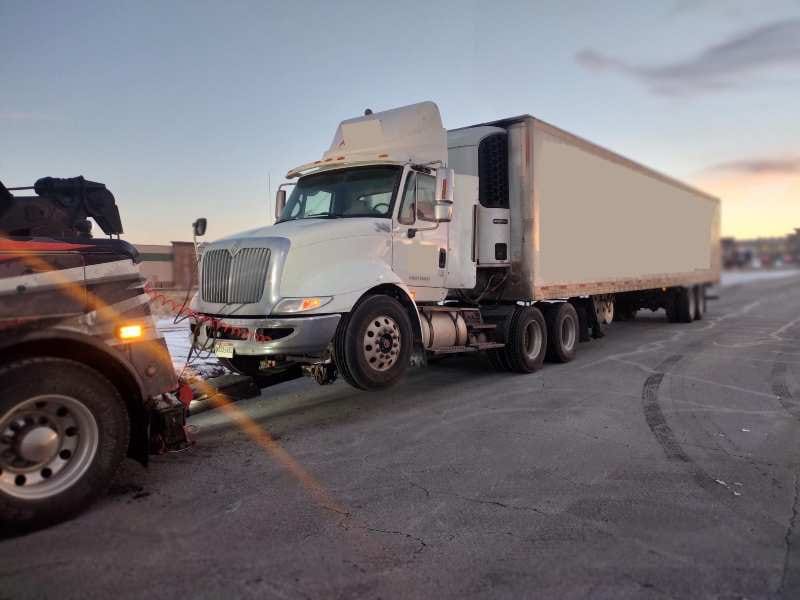
Rocky Mountain Towing is set up for Denver truck repair that covers diesel maintenance, roadside breakdowns, and everything in between. When a diesel truck is properly maintained, it rarely needs us for anything other than scheduled service. When the maintenance gets behind, we handle the Denver truck repair side of those calls too, for trucks in the shop and for trucks on the shoulder.
If diesel maintenance is something you have been putting off, Rocky Mountain Towing can walk you through what the truck actually needs and arrange the Denver truck repair before a missed service interval becomes a breakdown call. We schedule the work, track what the engine needs, and handle every Denver truck repair job from filter changes to full diagnostics.
FAQs
How often should diesel fuel filters be changed?
Most manufacturers recommend changing the primary fuel filter every 15,000 to 30,000 miles and the secondary filter on a similar or longer interval. Vehicles operating in dusty conditions, using low-quality fuel, or showing unusual running issues may need more frequent changes.
Does diesel fuel go bad in storage?
Yes. Diesel fuel begins to degrade after about 6 to 12 months in storage, developing gum, varnish, and microbial growth. Fuel stabilizer additives can extend storage life, and a biocide treatment can address bacterial or fungal contamination in large tank systems.
What happens if diesel engine oil is not changed on time?
Extended oil intervals allow heat, oxidation, and contaminants to break down the oil’s protective properties. The result is increased wear on bearings. Camshafts, and cylinder walls, along with the risk of sludge buildup that restricts oil flow to critical components.
What is DEF and why does it matter for diesel trucks?
DEF (diesel exhaust fluid) is a urea-water solution used by the selective catalytic reduction (SCR) system to reduce NOx emissions. Low or contaminated DEF can trigger warning lights, reduce engine power, or prevent the truck from restarting once it is parked.
How do I know if a diesel cooling system needs attention?
Signs of a cooling system issue include the engine running hotter than normal, coolant loss without a visible leak, a sweet smell from the engine compartment, or discolored coolant. Annual test strip checks and adherence to flush intervals catch most problems before symptoms develop.
What is the most common cause of early diesel injector failure?
Contaminated or water-diluted fuel is the leading cause of premature injector failure. High-pressure common rail injectors are particularly sensitive to particulate contamination. Regular fuel filter changes and using quality fuel sources are the most effective preventive measures.